

Abstract
Good Economics rules Bad Days. The global recession following the Pandemic and ongoing geopolitical instability have destabilised most economies. The shift in the world order is even turning tides and has impacted organisations and people across every nation. In an era where economic warfare defines power, microeconomics becomes a nation’s silent shield.
Layoffs during inflation have adversely affected people’s livelihoods and socio-economic status. Even a series of suicides by young entrepreneurs due to heavy debt issues followed the worst in developing economies like India. These conditions affected the social indices (Happiness Index, widening of the gap between the rich and the poor, and the shift of the middle class or moderate earners into the poor segment) in India and other developing economies. Although robust MNCs around the world have even amid layoffs made profits. But at the same time, they have widened the economic gap between social classes. This has led to an increase in moonlighting in populous countries like India after the Pandemic, where employees have started earning dual or multiple sources of income. Research often shows that the top 20% of human talent in organisations moonlights. Moonlighting receives indirect government support, as it provides an economic boost to the country and increases liquidity at the micro level.
Considering two major variables in microeconomics- Organisations and People, they do play an important role in creating a positive impact in emerging economies. The Indian government has initiated and supported the “Make in India” program to promote entrepreneurship and wealth creation. This needs skilled people, Leadership with vision and an ecosystem.
The Doubling Farmers’ Income program is one small example of the Indian government’s thoughts.
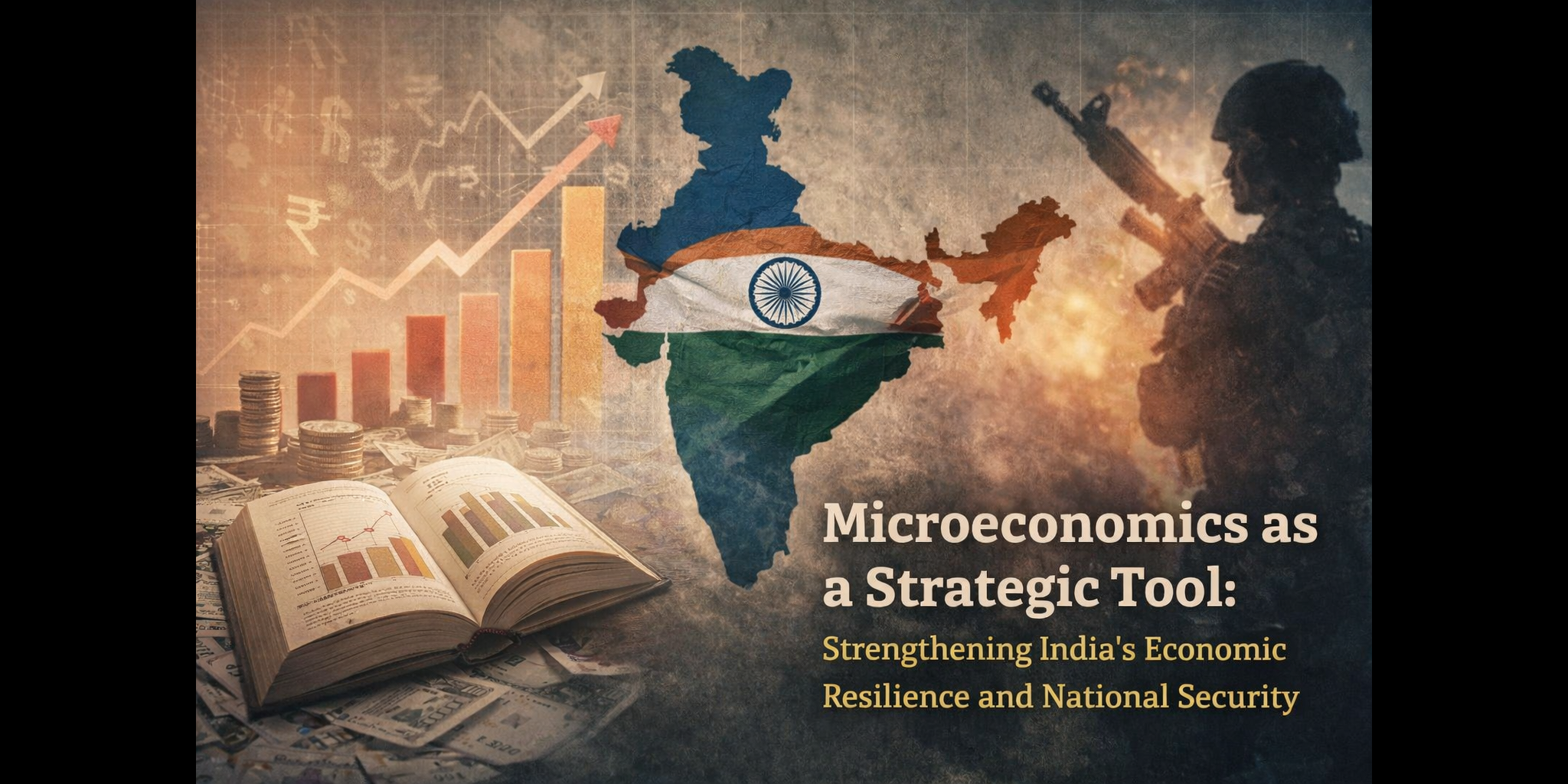
The author’s research and key premise will be to tap the untapped potential of microeconomics and create strategic impact on India and the global economy. The author has also evaluated the interlinkages between microeconomic stability and strategic defence preparedness in a volatile geopolitical environment.
Microeconomics shapes the battlefield long before the first shot is fired. It clearly decides Macro Victories. The Strength of the nation’s defiance lies not only in its weapons but in the economic ecosystem that sustains them. India’s emerging start-ups are refining this link- turning innovation, supply chains and fiscal prudence into instruments of strategic power.
The paper has also evaluated the H-1B Visa not as a mere cost but as a strategic influence. For Indians, it is a professional risk, as the ecosystem in India is still not evolved to harness the Indian brain.
It’s high time for India to accept the strategic challenge of creating its own ecosystem rather than exporting its best minds. Let our brains choose to stay here and build to strengthen ‘Make in India’ and help India become a strong nation. Continuous outflow of talent weakens domestic innovation.
Let’s understand and accept that the USA indirectly uses H-1B as a strategic tool by controlling quotas and pathways. It does have a power in India’s tech companies and talent policies. The author outlines a series of actionable measures to recalibrate India’s economic framework and set it on a path of sustainable growth. Central to this is the recognition that many corporate strategies in India are mere adaptations of Western business models, often applied without consideration for the local context. This approach not only limits innovation but also exacerbates systemic disparities, including the stark gap in compensation between Indian professionals and their counterparts in the USA and other Western economies.
To address this, the author advocates for consulting and advisory firms in India to lead with indigenous perspectives, designing solutions that reflect the country’s unique socio-economic realities. By fostering homegrown best practices, India can move beyond imported templates and create business strategies that are both globally competitive and locally relevant, ultimately redefining the nation’s economic chord for the 21st century. The Doubling Farmers’ Income program is an example of the Indian government’s thoughts.
Inspiration for the work: – The author is an alumnus of IIM L and a veteran, and brings a strategic lens to the business in India and to geopolitical adversaries.
Keywords: Microeconomics, Entrepreneurship, Defence, Economic Development, Policy Debate, Indian Economy, Moon Lighting, Strategic Affairs
INTRODUCTION
“Microeconomics is all about the money you don’t have, and macroeconomics is all about the money the government is out of.” – P.J.O O’Rourke.
The pandemic led to some grave and necessary economic reforms. The layoffs by MNCs in India, poor leadership, and depleted economic flows have adversely affected the production and consumption of products and services. The author is inspired to conduct research on Microeconomics and its strategic impact on India following this economic jolt and the unplanned hiring and firing of employees, thereby realising the importance of Microeconomics. People and Organizations are the major variables in microeconomics. At a macro level, India has progressed, aligned with Strategic initiatives, and is now helping many countries that were on the verge of bankruptcy.
Yet at a micro level, the author identifies the challenges and proposes policy advocacy to improve socio-economic status, which can, in turn, have a positive impact at the Strategic Level. 8.30 is considered to be the unemployment rate in India in December 2022, as per Economic Outlook (cmie.com).
Economic Models
A model in economics is a theoretical construct that represents economic processes through a set of variables. Models are used to understand and interpret diverse economic issues; however, they rely on assumptions.
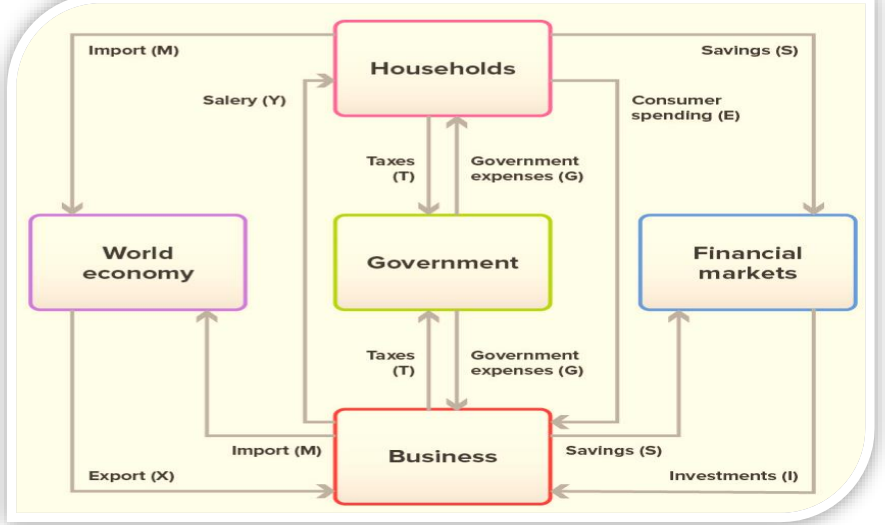
The Circular Flow (in IV Sector Economy)
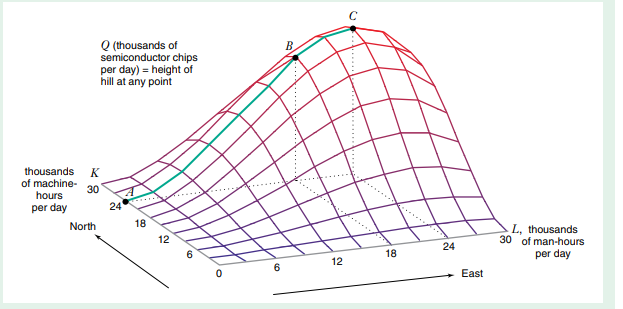
Total Product Hill
A three-dimensional graph of a production function is a total product hill. Consider the above example of a production function with more than one input: output is produced with two inputs, labour and capital. The height of the hill at any point is equal to the amount of output Q produced by the company from the quantities of inputs used. Moving eastward increases labour; moving northward increases capital. Each elevation equates to a certain quantity of output.
Factors Affecting Microeconomics
Before the Great Depression, there were no divides between microeconomics and macroeconomics. Before the 1920s economic crisis, economics focused on the production, distribution, and consumption of commodities and services in society (Rodrigo, 2020). It also explains that, even during a financial meltdown, the market will revert to an equilibrium in which prices adjust according to supply and demand (Rodrigo, 2020). However, when the Great Depression occurred, this idea was demolished. John Maynard Keynes created macroeconomics as a fundamental economic theory. Thus, the split between microeconomics and macroeconomics was born. Microeconomics, as the name implies, focuses on the smallest units of the economy—individual markets (Bouchrika, 2022). Microeconomics is the study of individual market behaviour to inform judgments about the allocation of limited resources. Macroeconomics, on the other hand, focuses on the national or worldwide economy.
The relevance of microeconomics stems from its bottom-up approach. Some of the aspects that drive microeconomics are demand, supply, people’s decisions, tastes, behaviour, and organisational sustainable development. These elements contribute to a competitive advantage for a global Leader in a specific domain.
Let’s take a thorough look at the following economic indicators to have a better understanding-
Demand
In economics, demand and supply refer to the relationship between the quantity of a product producers want to sell and the quantity customers want to purchase. It is the primary price-determination model in economic theory. The combination of supply and demand in a market determines the price of a commodity. The resultant price is known as the equilibrium price, and it symbolises an agreement between the good’s producers and customers (Augustyn, n.d.).
The quantity of an item desired is determined by its price, as well as by many other factors, including the prices of other commodities, consumer income and tastes, and seasonal factors. In fundamental economic analysis, all elements except the commodity price are frequently held constant; the study then consists of assessing the relationship between various price levels and the maximum quantity customers can theoretically purchase at each price (Augustyn, n.d.). Price-quantity combinations can be shown on a demand curve, with price on the vertical axis and quantity on the horizontal axis. A demand curve is usually downward-sloping, demonstrating customers’ desire to buy more of the product at lower prices (Augustyn, n.d.).
Domestic inflation increases demand for imports, while rising domestic production costs discourage export development (Krueger, Hackett & Myint, 2023). An incentive is anything that motivates someone to behave, such as the threat of punishment or the promise of a reward. Rational people respond to incentives (Mankiw, 1991). When analysing any policy, we must examine not only the obvious, direct consequences but also the indirect effects that operate through incentives. One of the most difficult issues for a CPG firm is estimating consumer product demand. Understanding the numerous variables and the limited CPG landscape that influence product demand is quite useful (NielsenIQ, 2022). Currently, India is the world’s third-largest economy by purchasing power parity (PPP), accounting for 7% of global GDP [behind China (18%) and the United States (16%)]. (Patra, 2022). According to market exchange rates, India’s GDP is expected to reach $5 trillion by 2027. India’s GDP in purchasing power parity terms will surpass US$16 trillion by that year (up from US$10 trillion in 2021). According to the OECD’s 2021 projections, India’s economy would surpass that of the United States by 2048. (Patra, 2022). This would make India the world’s second-largest economy after China (TNN, 2022). In terms of PPP, the exchange rate rises in tandem with a country’s prosperity and production. The Indonesian Rupiah is destined to become the world’s strongest currency, with the Indian Rupee taking second place (Patra, 2022).
Supply
The amount of a commodity provided in the market is determined not just by its price, but also by many other factors, such as the pricing of replacement products, manufacturing technology, labour availability, and other production parameters. In fundamental economic analysis, analysing supply involves examining the relationship between prices and the quantities producers supply at each price, while holding all other factors constant (Augustyn, n.d.). These price-quantity combinations can be shown on a curve called a supply curve, with price on the vertical axis and quantity on the horizontal axis. A supply curve is often upward-sloping, indicating producers’ desire to sell more of their product at higher prices. Any change in non-price elements would shift the supply curve, whereas changes in the commodity price would be reflected along a constant supply curve (Augustyn, n.d.). When the price of gasoline rises, for example, profit-seeking firms take several actions, including expanding exploration for oil reserves, drilling for more oil, investing in more pipelines and oil tankers to transport the oil to plants, constructing new oil refineries, purchasing additional pipelines and trucks to transport the gasoline to gas stations, and opening more gas stations or keeping existing gas stations open longer hours.
Factors Affecting Supply
1. Price
2. Cost of Production
3. Objectives of the Producer
4. Technology
5. Influence of Government
In sectors where suppliers are unwilling to lose money, supply tends to fall toward zero for product prices that are lower than manufacturing costs (Fernando, 2021). Price elasticity is also affected by the number of sellers, their production capacity, the ease with which they can adjust, and taxes and regulations. (Fernando, 2021).
Organisations- MNCs
A multinational corporation (MNC) is a firm that conducts business in at least one country other than its own. A multinational corporation often has offices, factories, or other facilities in several nations, coordinated by a centralised headquarters (Chen, 2022). IBM, Berkshire Hathaway, Apple, Microsoft, Amazon, and Walmart are examples of international businesses. The current economic crisis has taken a heavy toll worldwide, and many businesses are now shrinking and laying off workers. A particular event or decision can cause global financial turmoil. This, in turn, has repercussions across the economy. To stay competitive, businesses must adjust their policies and workforce accordingly. As a result, layoffs are occasionally unavoidable. (Why are colossal mncs, 2022). Some key causes of downsizing include pandemics, restructuring, and the arrival of AI (Artificial Intelligence).
Consider the Nokia example. Senior executives of the Finnish telecom corporation were enjoying a 67% profit increase over the previous year at the start of 2008. Nonetheless, low-cost Asian competitors had forced Nokia’s pricing down by 35% in just a few years (Sucher & Gupta, 2018). Meanwhile, in Nokia’s Bochum facility in Germany, labour expenses had climbed by 20%. (Jain, 2020). For management, the decision was simple: Bochum had to leave. Nokia’s senior vice president of human resources at the time, Juha kräs, flew in to discuss the layoff with the plant’s 2,300 employees. The audience became increasingly furious when he addressed them (Sucher & Gupta, 2018). A week later, 15,000 people gathered in Bochum to protest. German authorities initiated a probe and requested that Nokia repay subsidies received for the factory. Unions demanded a boycott of Nokia goods. Images of sobbing employees and demonstrators smashing Nokia phones flooded the headlines. The closure ultimately cost Nokia €200 million, or over €80,000 per laid-off employee, not counting the boycott and negative headlines. Nokia’s market share in Germany has declined; corporate executives estimate that from 2008 to 2010, Nokia lost €700 million in sales and €100 million in earnings in Germany (Sucher & Gupta, 2018). Before making any final decisions, businesses must assess all their options and the possible impact of layoffs on their firm and employees. IT firms must ensure that any layoffs are done professionally and ethically. Simultaneously, MNCs must evaluate how layoffs would affect their staff, both financially and emotionally. This might involve paying severance or providing job placement assistance. MNCs should assess the potential impact across demographics, including age, gender, and ethnicity. It is also critical to take into account existing rules and regulations to safeguard workers from unfair treatment (Why are colossal MNCs, 2022). In 2023, IT businesses will lay off 1,600 people every day, and this number will rise (Pavan CH, 2023).
At the periphery, people’s preferences and rational decisions
The author discovered that rational individuals think on the margins. Businesses choose how many employees to hire and how much product to produce and sell to maximise profits (Mankiw, 1991). Individuals choose how much time they spend working and what items and services they purchase to reach the best level of pleasure (Mankiw, 1991). Economists define marginal alterations as minor incremental changes to an established plan of action. Margin implies “edge,” thus marginal alterations are adjustments made around the perimeter of what you’re doing. Often, rational individuals make judgments by weighing marginal gains and marginal costs (Mankiw, 1991).
People’s preferences are the decisions they make to optimise their enjoyment. Consumers have some control over the types of items they purchase, but they cannot always get what they desire. Consumer preference has been used to explain consumer behaviour. Consumer preferences may be used in a variety of ways, including marketing, advertising, and product design. According to the idea, customers are impacted by their own preferences, the preferences of others, and the circumstances in which decisions are made. They are also impacted by social norms and cultural values, which can be seen as societal pressure to adopt specific behaviours or views (Mankiw, 1991). One of the most significant elements determining demand, supply, and price is people’s preferences. A simple example would be a consumer going to a restaurant and having two meal options: chicken or steak (Mankiw, 1991). Which would the consumer prefer? They will most likely select the one they prefer or the one they have a stronger reason to purchase.
Utility
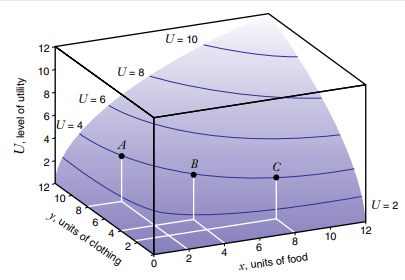
Consumers in a contemporary economy have access to a diverse range of goods and services. To begin, consider a market basket (also known as a bundle), which is defined as a collection of products and services that an individual could consume. Michel Regenwetter, Jason Dana, and Clintin Davis-Stober created a choice model (known as a mixture model) that implies patterns in observed choice frequencies that must hold if the individual’s underlying preferences are transitive at each point in time (even if those preferences change from moment to moment). A comparison of actual choice frequencies with those predicted by the model allows us to assess whether people’s preferences are transitive. The function of utility is a function that quantifies a consumer’s degree of satisfaction with any basket of products and services.
a. Ordinal ranking: A ranking that shows if a customer likes one basket over another but does not include quantitative data on the degree of that preference.
b. Cardinal ranking: Cardinal rankings tell us about the strength of a consumer’s preferences. A quantifiable measure of the strength of one basket’s preference over another.
Graph of the Utility Function U=√xy. The level of utility is shown on the vertical axis, and the amounts of food (x) and clothing (y) are shown, respectively, on the right and left axes. Contours representing lines of constant utility are also shown.
For decades, consumer preference theory has been used in marketing. It may also be used to assess if a product or service is worthwhile to invest in (Mankiw, 1991). There are several methods for determining customer preferences, including surveys, interviews, focus groups, and ethnographic research (Mankiw, 1991).
Labour Economics
Since job status is one of the primary factors of poverty departure in developing nations, labour markets play a critical role in shaping economic and social growth. Having respectable, well-paying, and secure work is the best sustainable way to increase income and consumption levels. However, in most developing nations, the labour market fails to provide the employment needed for individuals and their families to succeed. Rather, labour markets are defined by the persistence of informality in urban areas, the continued prevalence of employees in subsistence agriculture, low pay and poor working conditions, and inequities faced by women, youth, and other groups in society.
Labour economics has two sides. Microeconomic approaches examine the roles of individuals and corporations in the labour market. Macroeconomic approaches examine the interactions among the labour market, the money market, and the international trade market. It investigates how these relationships affect macro variables such as employment levels, participation rates, aggregate income, and GDP (Macro & Micro Analysis, n.d.). In fiscal year 2022, India’s per capita net national income (NNI) was roughly 150,000 rupees. In comparison, gross national income at constant prices was more than 146 trillion rupees. GNP growth rate at constant prices was roughly 9% the preceding year.
The employed workforce may be distinguished by certain activity rates. An activity rate is the proportion of a certain age and gender group who work for a living (Brown & Brown, n.d.). Because so many males remain in school and training, activity rates in the early years of working age are often low. Male activity rates exceed 100 per cent between the ages of 25 and 50, but they decline after 50 as men retire. The pattern of female activity rates varies widely and changed dramatically in the second half of the twentieth century (Brown & Brown, n.d.). Labour in India refers to employment in the Indian economy. India had 476.67 million workers in 2020, making it the second biggest economy after China. Agriculture employs 41.19% of the entire labour force; industry, 26.18%; and the service sector, 32.33%. Over 94 per cent of these people operate in unincorporated, unorganised businesses. Workers in the organised sector include those employed by the government, state-owned companies, and private-sector businesses. In 2008, the organised sector employed 27.5 million people, 17.3 million of whom worked for the government or organisations owned by the government. According to the Human Rights Measurement Initiative, India is only performing 43.9% of what should be attainable at its economic level for the right to labour.
Potential of Microeconomics
The microeconomics of any nation is a foundation for capability building. The people of any nation are their biggest capital and resource. The author has spoken with entrepreneurs in the Developmental Sector, which has the potential to tap the untapped talent in remote areas of India. One such entrepreneurship is Bakri Chap, which works on a pure hill model and establishes sustainable green tourism experiences for tourists. They have unleashed the potential of rural women and provided them with financial and economic stability by opening the Designer Salt Dressings Manufacturing unit. With a mission to establish a network of 100 Rural Development Clusters in Uttarakhand and a few other states by 2025, this organisation is exploring the potential of microeconomics, improving India’s socio-economic status, and contributing to the UN SDG on climate action through green tourism.The author has also interviewed and researched KB Systems Private Limited, which is run by a visually impaired person and employs people with disabilities. A social activity aligned with the SDG goals also involves an enterprise that promotes organic and traditional eating habits and provides a sustainable livelihood for people with disabilities. The vision of these Indian Entrepreneurs is not only to generate profits but to create employment among people who are neglected.These Indian Entrepreneurs are creating sustainability in the labour market. The collapse of SVB has taught us lessons that even solid banks can have a Global Bank Failure and create a crisis. The analysts discuss Risk Management failures in SVB’s failure. Historically, the global financial crisis has always originated in America, and we see a repeat in the failure of three banks. The author has touched on this aspect of the Global Financial Crisis in this Research Paper, as India is rapidly developing and undergoing a shift after 75 years of Independence, enabling INR Rupees to begin trade in a few countries by implementing Vostro Accounts for global trading.
Revenue Models of Organisations
Macroeconomics cannot be ruled out for economic research in the BRICS countries, where the average population is 647.418 million people (WorldData.info, 2023). While microeconomic factors are more likely to affect investment portfolios, macroeconomic factors influence the entire portfolio.Warren Buffett famously remarked that macroeconomic projections have little bearing on his investment decisions. “Charlie and I don’t pay heed to macro projections,” Buffett stated when asked how he and his colleague, Charlie Munger, chose assets. Buffett has also called macroeconomic literature “the funny papers” (Buffett, W., & Andrews, D., 2012).At the most basic level, we see the business models of MNCs and healthy enterprises as 10:90 (interviews with HR Leaders). The business model assures that the poor become poorer and the affluent get richer. The organisation’s business plan and income model are 50-50 (Sources- Interviews with people). For example, if employee X produces 1 crore worth of output, major MNCs would pay them 10-20% of their CTC and lay them off after their projects are completed. Employees are burdened by the tax burdens imposed during financial crises, which harm their mental health and socioeconomic standing. The researcher calls for wage equality in models to narrow the economic gap in emerging nations. The CTC also specifies their slabs, as well as their medical insurance, PF, and other retirement benefits.
Economic Stability as a Pillar of National Security
A resilient economy acts as a safety net. Skilled professionals, robust industries and efficient private networks form the bedrock of national security. Choke points in the economy provide strategic passage to geopolitical adversaries. Brain drain through programmes like the H-1B visa worsens the situation by weakening the country’s innovation fabric.
Domestic defence production, along with AI tools and semiconductors, reduces dependence on imports and shields the nation from trade sanctions, geopolitical chaos, and external pressures. Microeconomic infrastructure, such as innovation hubs, startup incubators, accelerators, and R&D clusters, transforms revolutionary ideas into intellectual property (IP), products, and services. Civilian R&D thus fuels the defence sector, which is essential for industrial security.India has achieved the highest-ever growth in indigenous defence production in value terms during FY 2023–24. As of February 2025, the armed forces had signed 430 iDEX contracts and procured 43 items worth over ₹2,400 crore (Press Information Bureau, 2025).Additionally, the country’s defence budget has grown significantly, from ₹2.53 lakh crore in 2013–14 to ₹6.81 lakh crore in 2025–26 (Economic Times, 2025). These figures provide a glimpse of the defence sector’s growth.A resilient economy also ensures internal peace and stability. When the young population gets decent employment opportunities, it reduces their financial vulnerabilities that extremist groups exploit.
Microeconomic measures, such as skill development programmes, transform the young population into a productive asset for the economy. Encouraging SMEs, microfinance, and regional employment decentralises and diversifies the economy. This ensures economic stability even when a single sector is compromised by geopolitical issues.Consideration of these insights while framing economic policies will ensure that multifaceted policies will strengthen India in the ever-changing, complex geopolitical landscape.
Policy Debates in India
As an Economist, if I am advocating for any Policy, thinking for the government will be my first duty. My thoughts will be: What Policy will the government pursue to achieve a strategic impact that strengthens the economic model sustainably?
Having been on both sides of the table, I have also taken the perspective of employee and employer. In revenue-based models, employers will earn more than employees to cover their manufacturing and operating costs. During the Pandemic, big Giants like Amazon and Google made stupendous profits.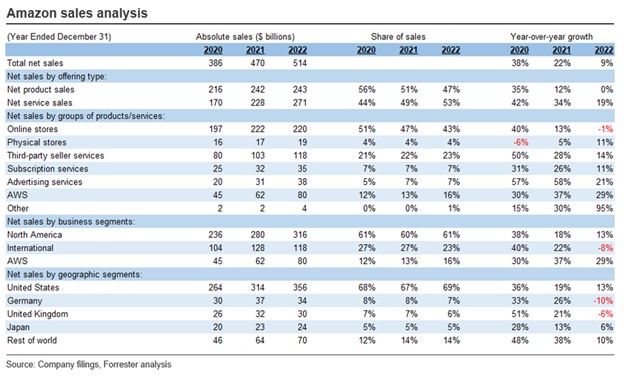 Paradoxically, they are now cutting off their business and starting layoffs, which will directly affect employees’ socioeconomic status. The arbitrary manpower planning needs a revamp, as this adversely impacts the Strategic Level. When we talk about the Happiness Index, Giant Companies also need to account for employees’ happiness to sustainably raise the happiness quotient.The research aims to advance policy advocacy for sustainable economic growth, reduce the gap between the rich and the poor, and improve governance.
The failures of SVG, Signature Bank, and Republic Bank are the best examples of how economic degradation occurs when dependence on a single currency is the norm.
Moonlighting as Policy Advocacy
Policy Advocacy is a prerequisite for formalising certain things for the greater good. Laws, regulatory measures, and priorities are considered important in the current scenario. Moonlighting is the demand of the hour, not only to give economic independence but also to strengthen national capacity through people. Clear guidelines for such practices contribute to restructuring the financial order. The author’s analysis shows that most wealthy individuals have two or three entrepreneurs. Even CEOs and CXOs pursue startups or serve as partners in many associations. As per interviews with HR Leaders and Global Industry Leaders, the top 20% of talent in companies engage in moonlighting. They should have flexible working hours within the frameworks set by the governments of the respective countries, such as those in the EU. This will significantly contribute to a positive sentiment about an economic boost. The pandemic has given a jolt to human behaviour and the economic stability of every nation. Where so many countries went into debt, many countries are still struggling with inflation. The Russia-Ukraine War has led to a Price Rise and Inflation.
This was the time when most people started practising Work from Home and, to keep themselves engaged and raise their monthly utility bills, started a side hustle, formally termed Moonlighting. Moonlighting is not a new concept, yet it has emerged officially in India after the Pandemic. The most robust business model most IT companies follow is 10:90 at the subordinate level, which does not sustain their livelihood. While interviewing some of the top corporate leaders, they all agreed that moonlighting will be the new norm.
Moonlighting has been advocated by the government of India, yet corporates are not very comfortable with the concept. Many organisations, such as Tech Mahindra and Tata Steel, have adopted and favoured it, unlike Wipro and Infosys. Infosys has even laid off many employees, forgetting that Infosys itself is a moonlighting baby.
Time-Based Concepts have been diluted in bigger organisations for years. In an interview, an Industry Leader, a former Google employee, shared some relevant insights into the working model he has worked in.
Ethics in Moonlighting– Moonlighting is not only an increasing trend and source of income but also an opportunity to hone skills and pursue one’s passion. With this new norm setting in, some organisations have accepted it, though they always worry about its confidentiality and ethical implications.
Undoubtedly, ethics cannot be ruled out as they overall boost the circular economy by increasing purchasing power and strengthening economic well-being and microeconomics. Transparency in tax payments and adherence to the framework for circulating money are key to improving purchasing power and enabling funds to flow to suppliers and banks. As salaried employees, it is imperative to inform the employer of any other source of income if it violates the Agreement’s Terms.
Revamp the model of Diversity in India
Emerging economies have the potential for talent and need to revamp their diversity models, which are increasingly gender-specific. In India, organisations need to expand their hiring in Tier 2 and Tier 3 cities, which are a major part of the country’s diversity. The diversity hiring policy should include people from low-wage groups, and gender-specific policies should govern equal pay. The real diversity of India lies in the North-Eastern Region, which has seen tragic partition and has immense potential. India is a hub of potential customers and skilled people. Hence, the model of diversity needs to be re-examined, reframed, and made more inclusive to boost the country’s microeconomics. This will apply to MNCs that employ cheap and intellectual human capital with a differential pay structure.
H1B Visa as a Lottery Ticket is getting Costlier
The USA opened its annual H-1B visa cycle, and despite being paid the least among other countries, India dominates the headlines. The H-1B visa is a lottery with rising costs, which have now increased by nearly $1,000-$2,500 per application. Employers do bear the cost, but many Indian applicants also share the burden. The policy is stringent: laid-off visa holders must find another sponsor within 60 days; otherwise, they must leave the USA. The policymakers have to view this as a strategic step by the USA and adopt a clear policy to build their own ecosystem and make our human capital more expensive.
This influences the Strategic stance of India and Indian H-1B holders, who are vulnerable to US layoffs, as even if those brains returned to India, the ecosystem for retaining them or fostering entrepreneurship is still not mature.
The Indian talent pipeline’s dependence on the foreign market is a strategic risk for India.
MNCs and Big Giants to Discourage Layoffs and Disrupt Labour Economics
A very debatable yet relevant subject is Layoffs. They disrupt labour economics. According to Forbes India’s April 11, 2023, report, Accenture planned to cut 19,000 jobs. Git Hub laid off the entire engineering team in India. Disney announced 3 rounds of layoffs that might affect 7,000 employees. The number of layoffs at Twitter in India is uncountable. The IT industry is a disruptor and innovator, driving business acumen and technological advancement. Yet it is a disruptor in capability building with People and in labour economics. The maximum hiring and firing are from the IT sector. Projects from MNCs are assigned to countries like India and China due to their lower per capita income and lower rates of human capital. There are numerous reasons for layoffs. Most of the time, investors stop investing during a market crash. Another reason is inflation. According to research, big companies grew rapidly during the pandemic, and many people increased their purchasing power through savings. Once the pandemic is over, spending patterns will return to what they were before the pandemic. The companies are not able to pay these expenses. And the most important reason is that companies over-hire, more than what is needed to do the job. So, the equilibrium is never maintained, and it ends up in layoffs. Amazon laid off 10,000 people in Tech after generating record profits during the pandemic with this human capital.
CONCLUSION
Reimagining India’s Economic Architecture
With the change in the world order, India has emerged as one of the most powerful economies, ranking among the largest and youngest. As the youngest economy, India and its people are fast adaptors to technology. Digitisation has enabled traditional fruit sellers to use the app and have an e-wallet. The recent Deloitte analysis shows rapid technological advancement in India in the field of Virtual Reality. Out of 132, India is 40th in the Global Innovation Index, in the Digital Readiness Index 101 141, and 57th out of 99. India has risen from 18th to 5th in the rankings of economies. As an Atma Nirbhar Bharat, India has not only adopted the Make in India Project but also increased exports to many countries. During Inflation, India could also keep fuel prices in check and provide proactive support to encourage entrepreneurship, which has even supported some modern models (moonlighting) to improve per capita income.
At a Strategic level, India has made a tremendous mark in the Defence Sector and scientific development. With aid given to Sri Lanka while they were in debt, and aid to South Africa to fight the deadly disease of AIDS, according to economists, the more a society spends on national defence (guns) to protect its shores from foreign aggressors, the less it can spend on consumer goods (butter) to raise the standard of living at home. Also important in modern society is the trade-off between a clean environment and a high level of income. Given the current unstable geopolitics, it is unfair to rely solely on the government; we must share responsibility for capability building through innovation and ecosystem creation.
The collapse of US banks SVB, Signature, and The Republic has duped the global economy and tech startups. On the other hand, India’s progress has been slow and steady, and it is taking charge of shaping the World Order.
To conclude, the factors constituting the microeconomics of India, as discussed above, must be regularised to generate sources of income and reduce layoffs, and strengthen the labour economy. The arbitrary practices of Giant MNCs need to be aligned with the realities of India’s labour market. Moreover, India must strengthen social protection mechanisms to support its rapidly changing labour markets and create their own Best Practices. Accepting moonlighting as a legitimate means of building financial resilience should be considered to enhance workforce resilience. Such models are already normalised across Western economies and could foster innovation, retain talent, and balance productivity with flexibility in the Indian context.
Acknowledgement: The author appreciates Sameeksha, Research Associate of the Centre of International Futures, for her diligent assistance in research coordination.
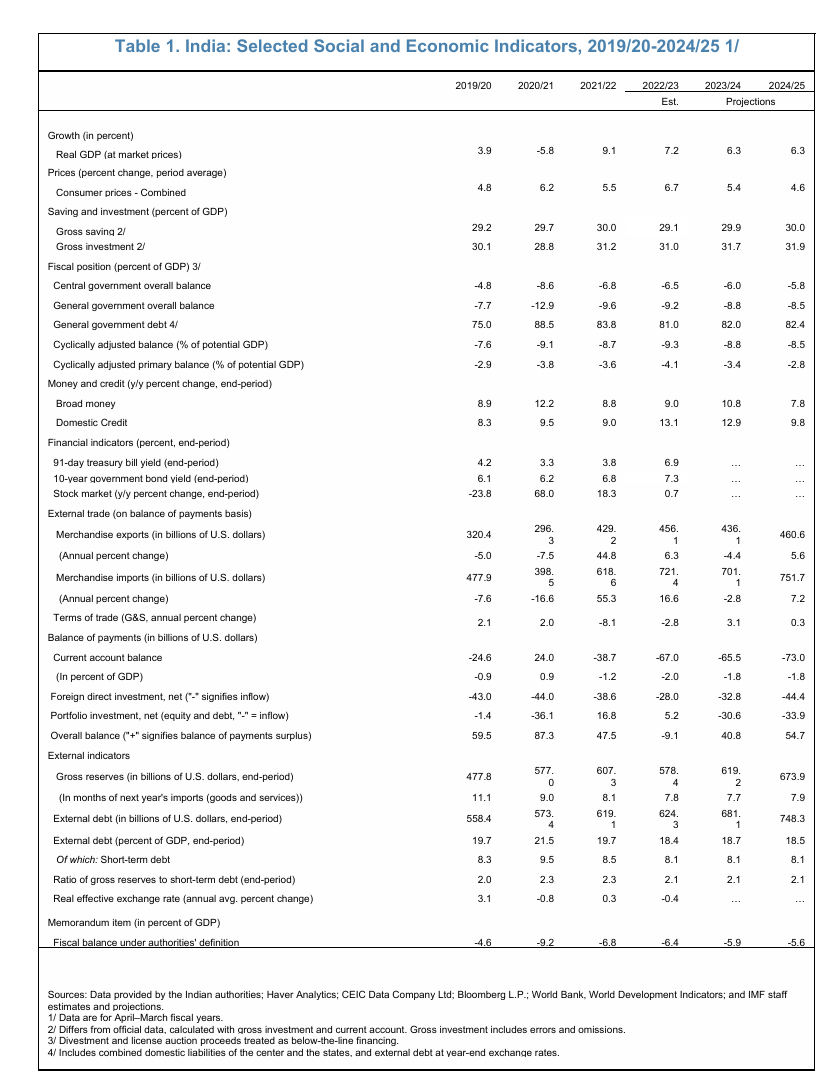
Sources: Data provided by the Indian authorities; Haver Analytics; CEIC Data Company Ltd; Bloomberg L.P.; World Bank, World Development Indicators; and IMF staff estimates and projections.
- Data are for April-March fiscal years.
- Differs from official data, calculated with gross investment and current account. The gross investment includes errors and omissions.
- Divestment and license auction proceeds are treated as below-the-line financing.
- Includes combined domestic liabilities of the centre and the states and external debt at year-end exchange rates.
With all such strategic developments, we as people need to ponder the gaps that need to be filled to reduce the gap between the rich and the poor, and engage in policy debates and advocacy.
References:
1.Buffett, W., & Andrews, D. (2012). US Policies and Politics. In The Oracle Speaks: Warren Buffett in His Own Words. Chicago: B2 Books.
2.Members of the BRICS countries. (n.d.). Retrieved January 3, 2023, from https://www.worlddata.info/alliances/brics.php
3.Why are Colossal MNCs Laying Off Employees? (2022, November 25). Wings Tech. https://www.wingstechsolutions.com/blog/why-are-colossal-mncs-laying-off-employees
4.A Better, Fairer Approach to Layoffs. (2023, January 10). Harvard Business Review. https://hbr.org/2018/05/layoffs-that-dont-break-your-company
5.Ch, P. (2023, January 17). Recession fears: Tech companies are laying off 1,600 workers per day in 2023, and that number is rising. Human Engineers – Co-creating Value Through People. https://humanengineers.com/recession-fears-tech-companies-laying-off-1600-workers-per-day-in-2023-and-its-increasing/?cn-reloaded=1
6.What is Demand? Definition of Demand, Demand Meaning. (n.d.). The Economic Times. https://economictimes.indiatimes.com/definition/demand
7.Economic planning | Definition, History, & Facts. (2023, January 19). Encyclopedia Britannica. https://www.britannica.com/topic/economic-planning/Economic-planning-in-communist-countries
8.NielsenIQ. (2022, October 24). 7 factors that influence the demand for consumer goods. https://nielseniq.com/global/en/insights/analysis/2022/7-factors-that-influence-the-demand-of-consumer-goods/
9.Lumen Learning. (n.d.). Reading: What Is Supply? | Macroeconomics. https://courses.lumenlearning.com/suny-macroeconomics/chapter/reading-what-is-supply/
10. Labour Economics – Macro and Micro Analysis of Labour Markets | Macro Micro Analysis Labour Markets | Technology Trends. (n.d.). https://www.primidi.com/labor_economics/macro_and_micro_analysis_of_labour_markets
11.Brown, E. W. H. P. A. B. (1998, September 19). Labour economics | Definition & Facts. Encyclopedia Britannica. https://www.britannica.com/topic/labour-economics
12.Sofroniou, A. (2017). Economics World House Rules (First).